Valsassina · Lake Como
Comasira,
where the sun
rises twice
A car-free medieval hamlet on the slopes of Monte Muggio, overlooking the Pioverna valley. You arrive on foot and stay for the silence.
Valsassina · Lake Como
A car-free medieval hamlet on the slopes of Monte Muggio, overlooking the Pioverna valley. You arrive on foot and stay for the silence.
The village
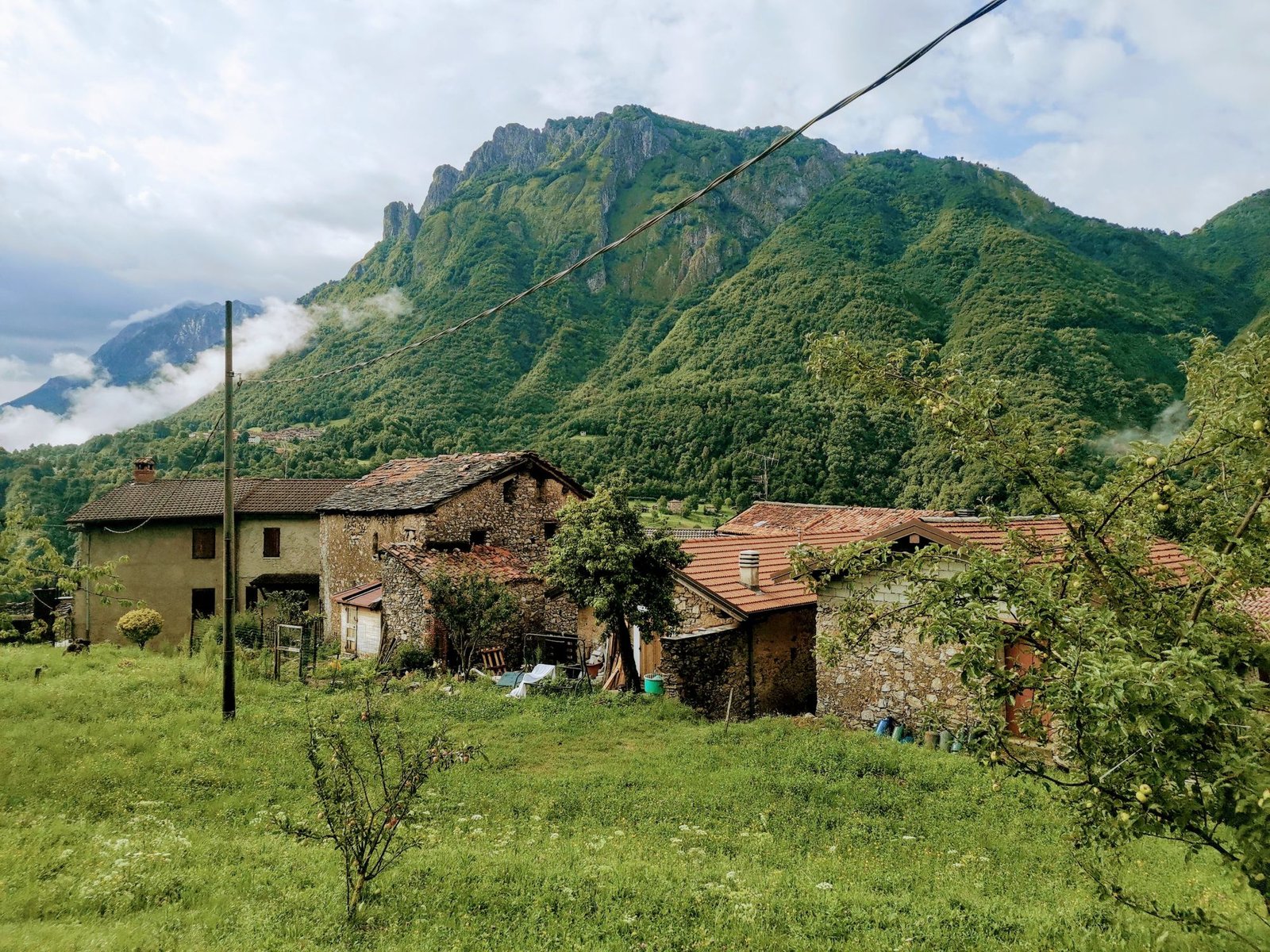
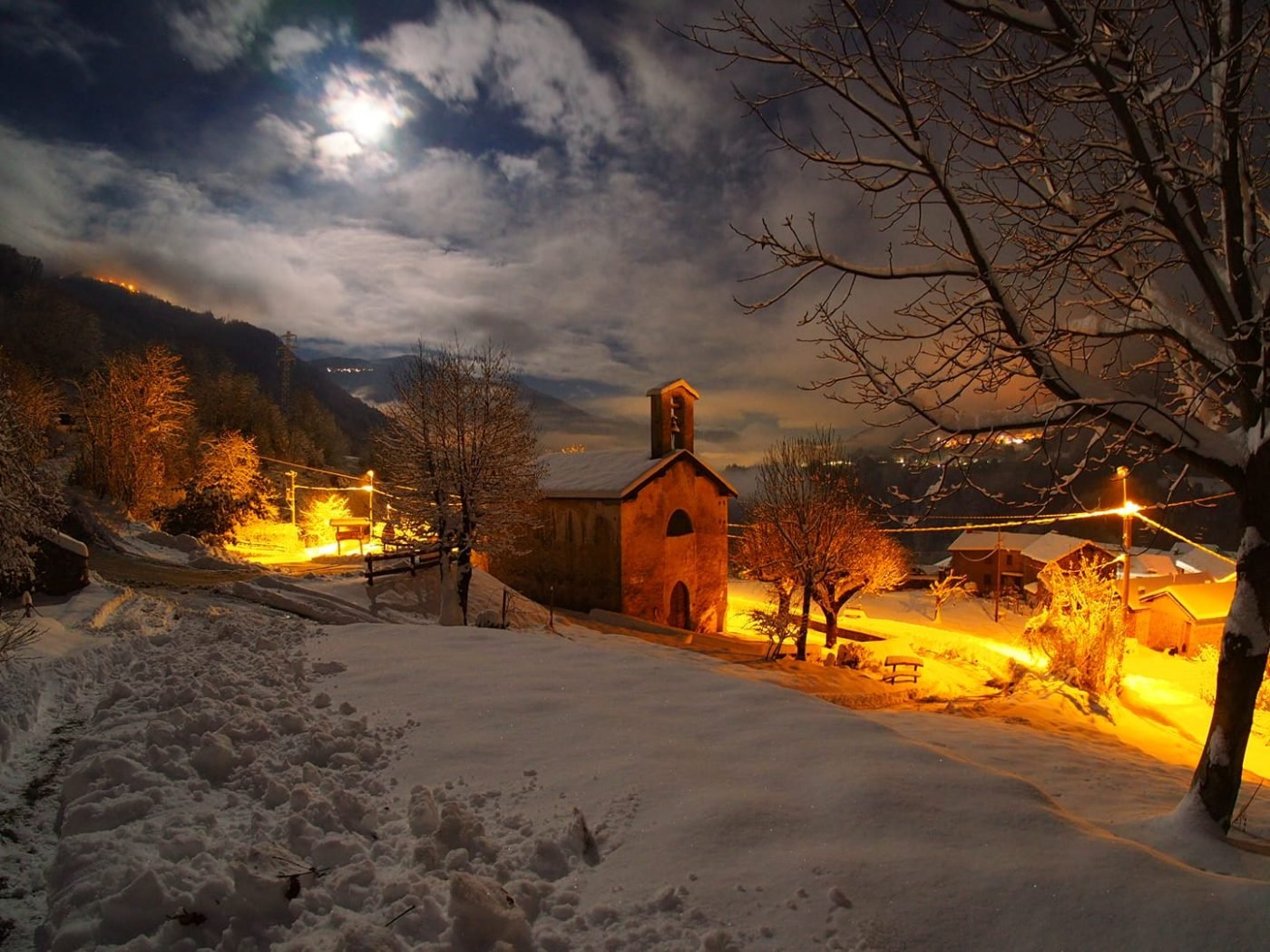
Comasira is the lowest hamlet of the Muggiasca: a handful of stone houses gathered on a terrace that almost leans out over the Pioverna valley.
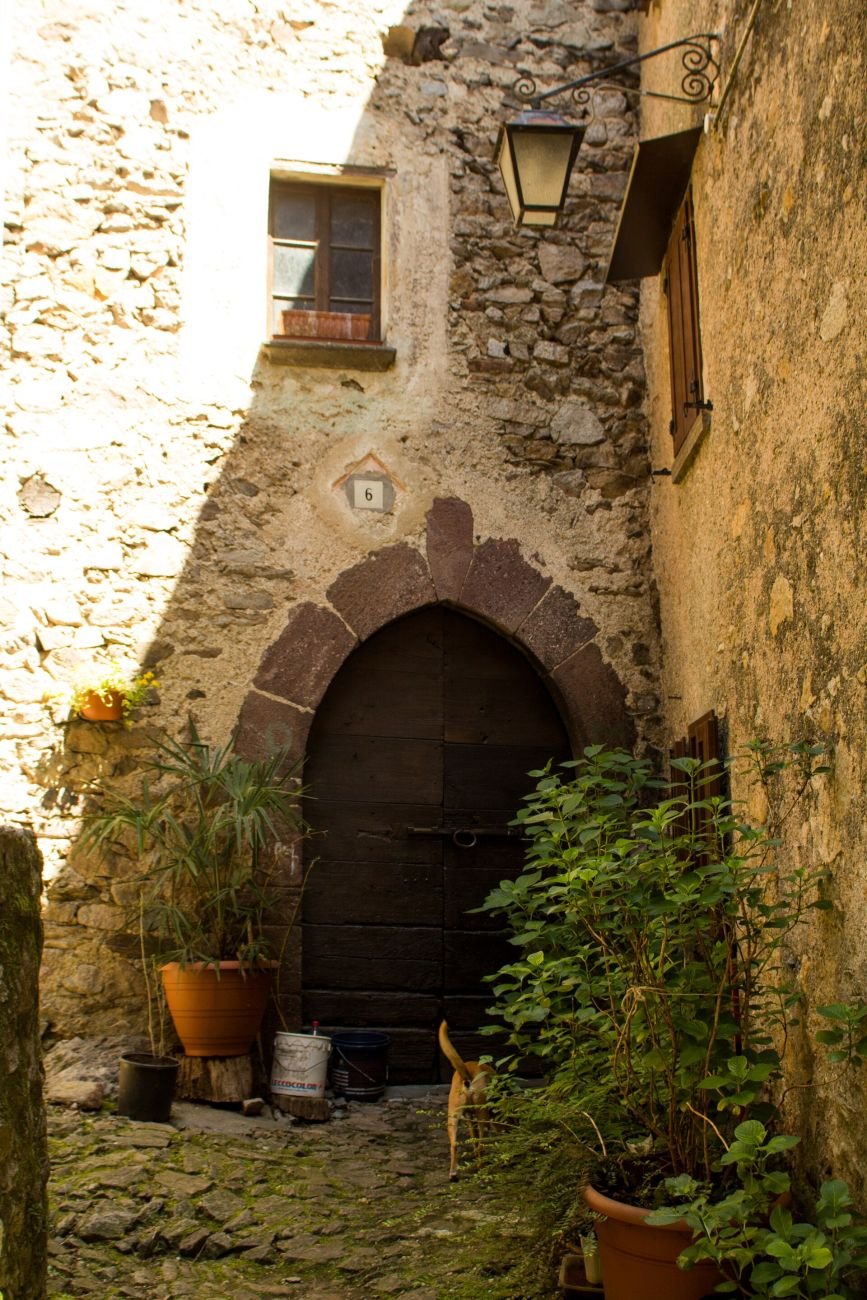
For centuries it was a crossroads for people and goods between Valsassina and the lake. Today its beauty is what has survived: cobbled lanes, arched doorways, covered passages, fragments of painted friezes on the walls and, all around, the ronchi, terraces once planted with vines, each named after the family that worked it.
Before the Second World War more than two hundred people lived here; by 2009 there were about thirty. Outside summer the village is silent: at night you hear only the stream and the crickets.
Sources: comasira.wordpress.com, Wikipedia.
The phenomenon
In winter, seen from Comasira, the sun appears above the mountains, then for a few minutes slips behind the tip of the Grigna Settentrionale, a jagged peak that recalls the Dolomites, and reappears on the other side. Two sunrises in one morning: hence the name the village is known by throughout the valley.
Sources: Valsassina Country Festival, Valsassina News.
History
Comasira's origins are ancient and uncertain: the hamlet appears in documents in 1572 and grew along the old route between Bellano and Valsassina. Its almost fortified layout and medieval traces suggest a defended settlement; at its centre stands the palazzo pretorio, the old court house, also used as a prison.
The name divides scholars. Some trace it to the Lombard homa hiro, “dwelling of the lord”; others read it as a remote, hard-to-reach place, “a house from another world”.
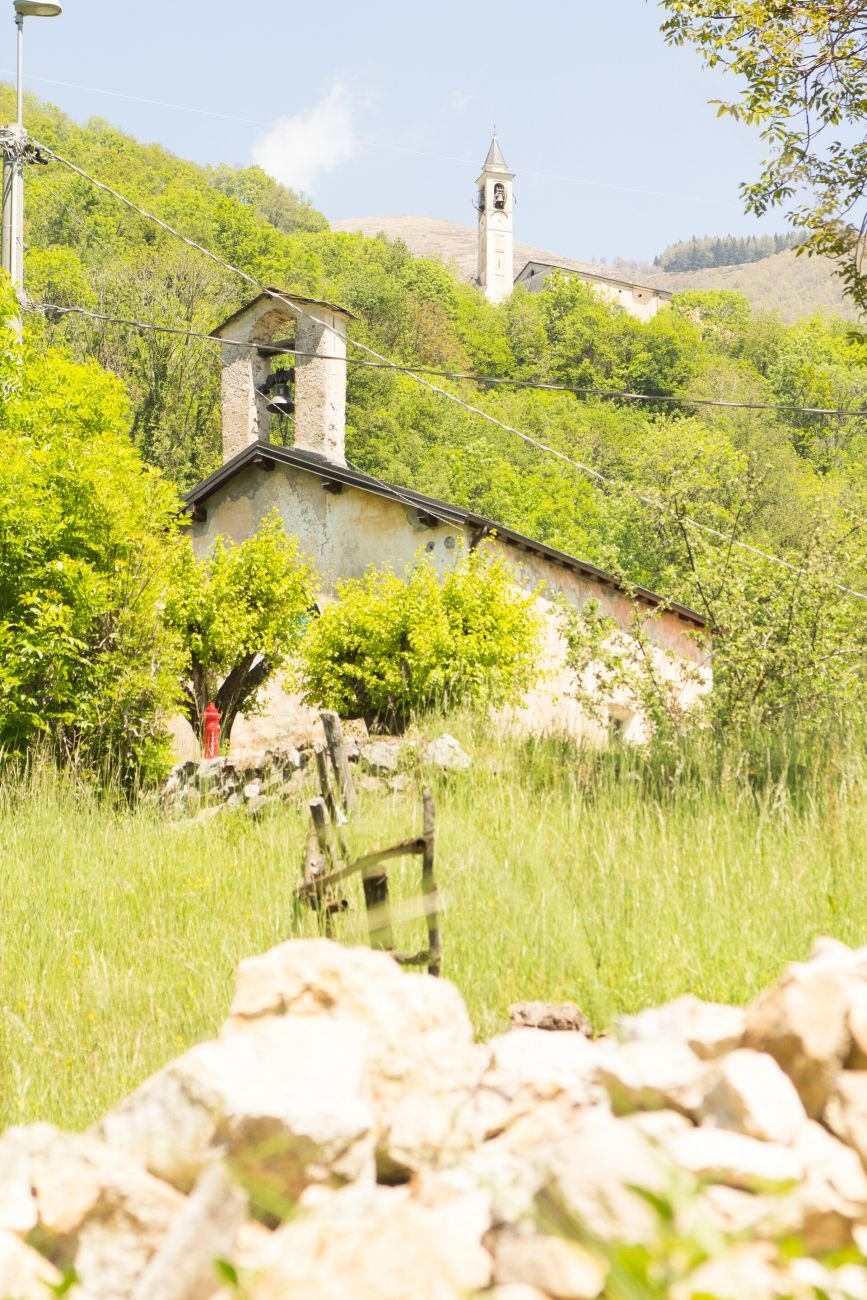
The oratory of San Sebastiano dates from the late 14th century. It holds 15th-century paintings, including a Madonna enthroned between Saint Anthony and Saint Sebastian, and 16th-century frescoes. During restoration a small case containing a gold reliquary was found in the altar; the scholar Oleg Zastrow dates it to the 12th century.
Sources: Wikipedia · “San Sebastiano, oratorio del XIV secolo” and “Frugando tra i meandri della storia” on comasira.wordpress.com (in Italian).
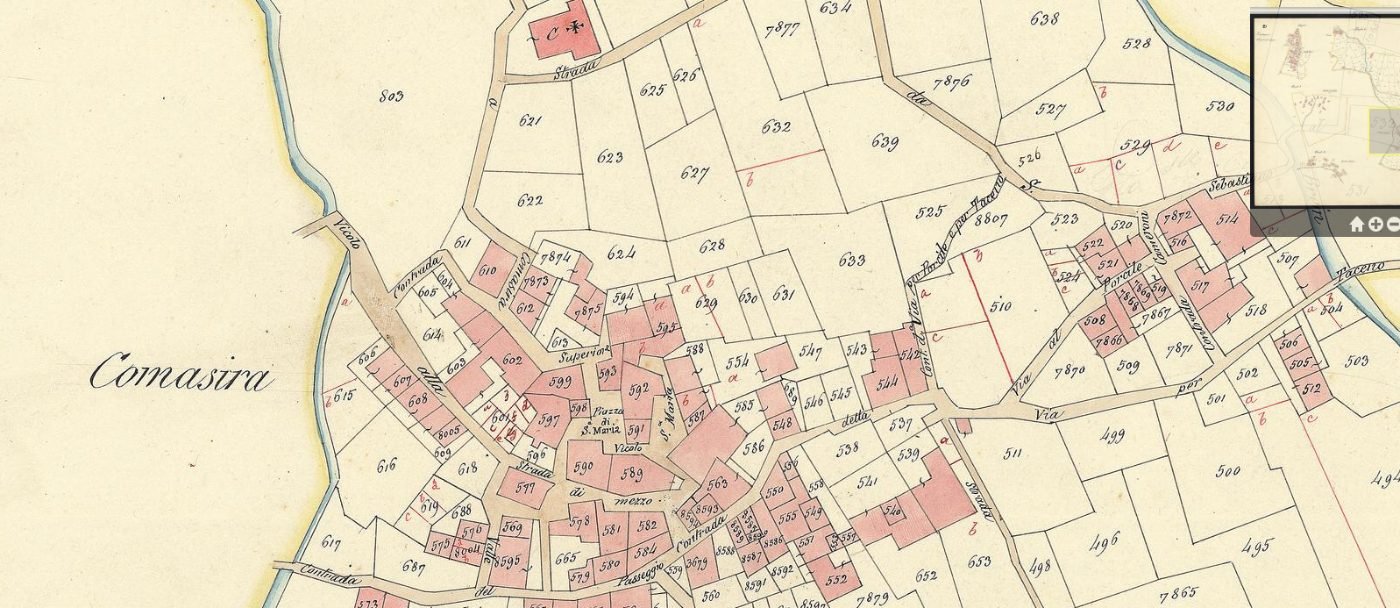
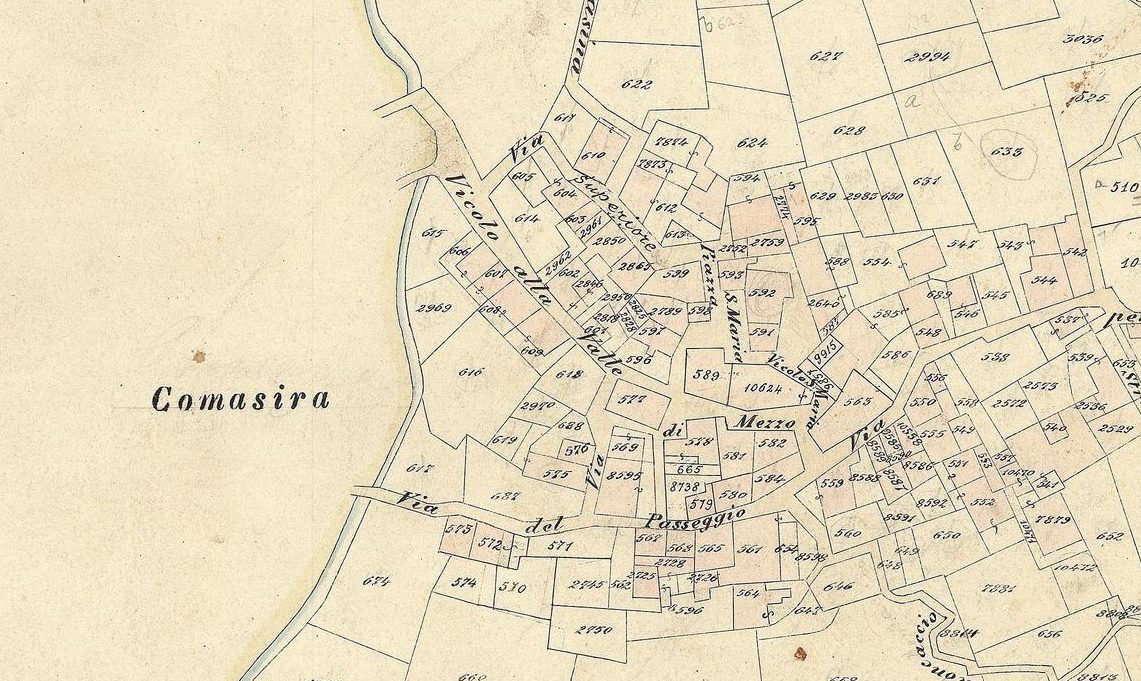
The old land-registry maps show how little the heart of the village has changed: the same clustered houses, the same lanes, the terraces all around.

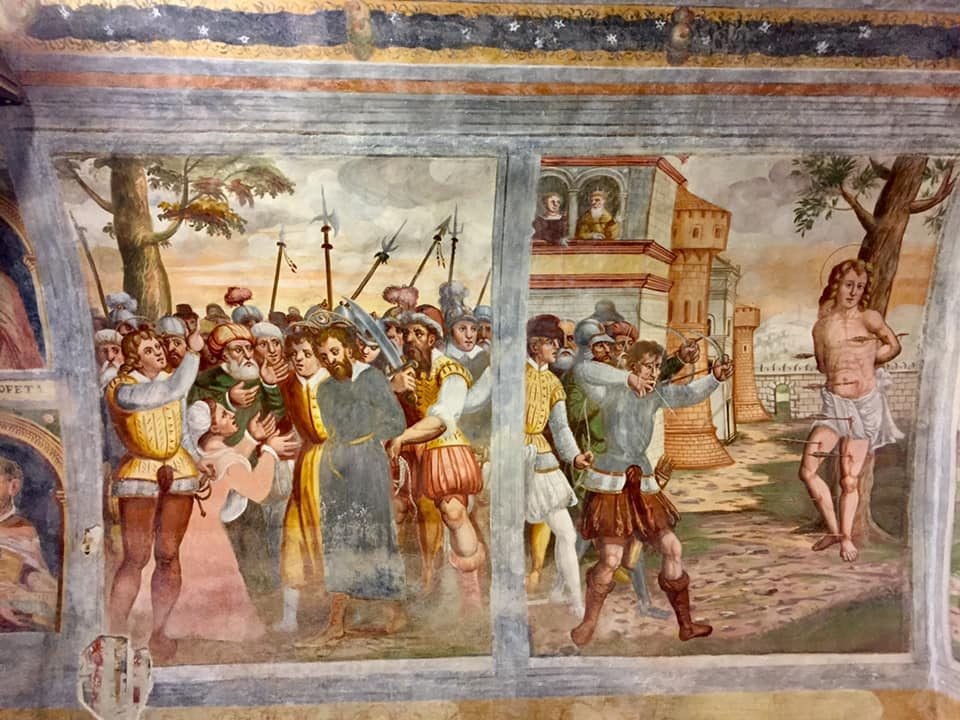
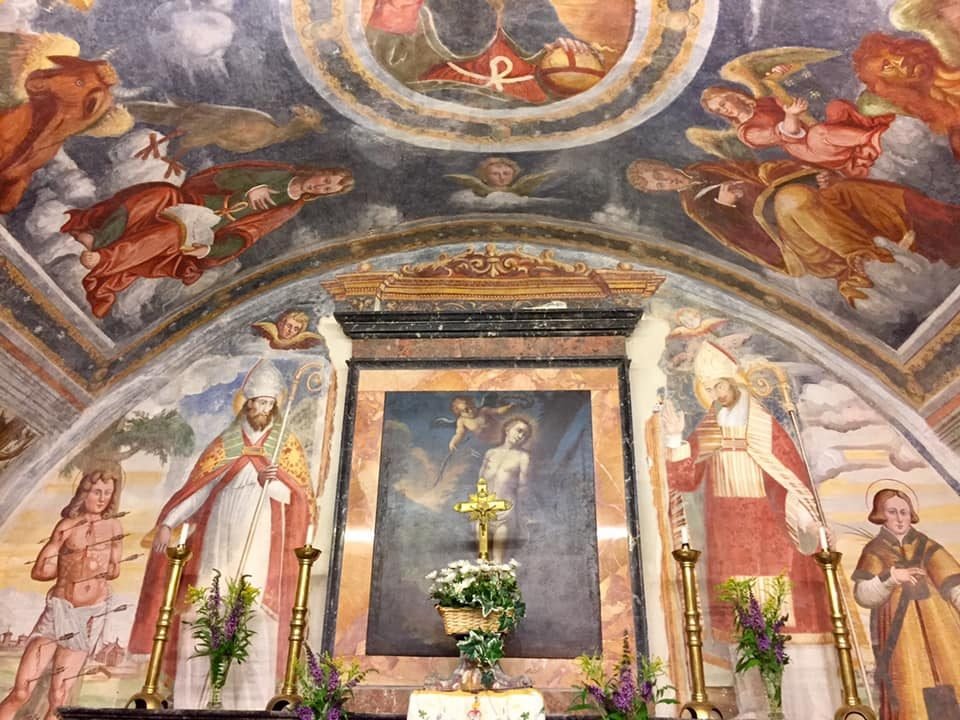
The hamlet in pictures
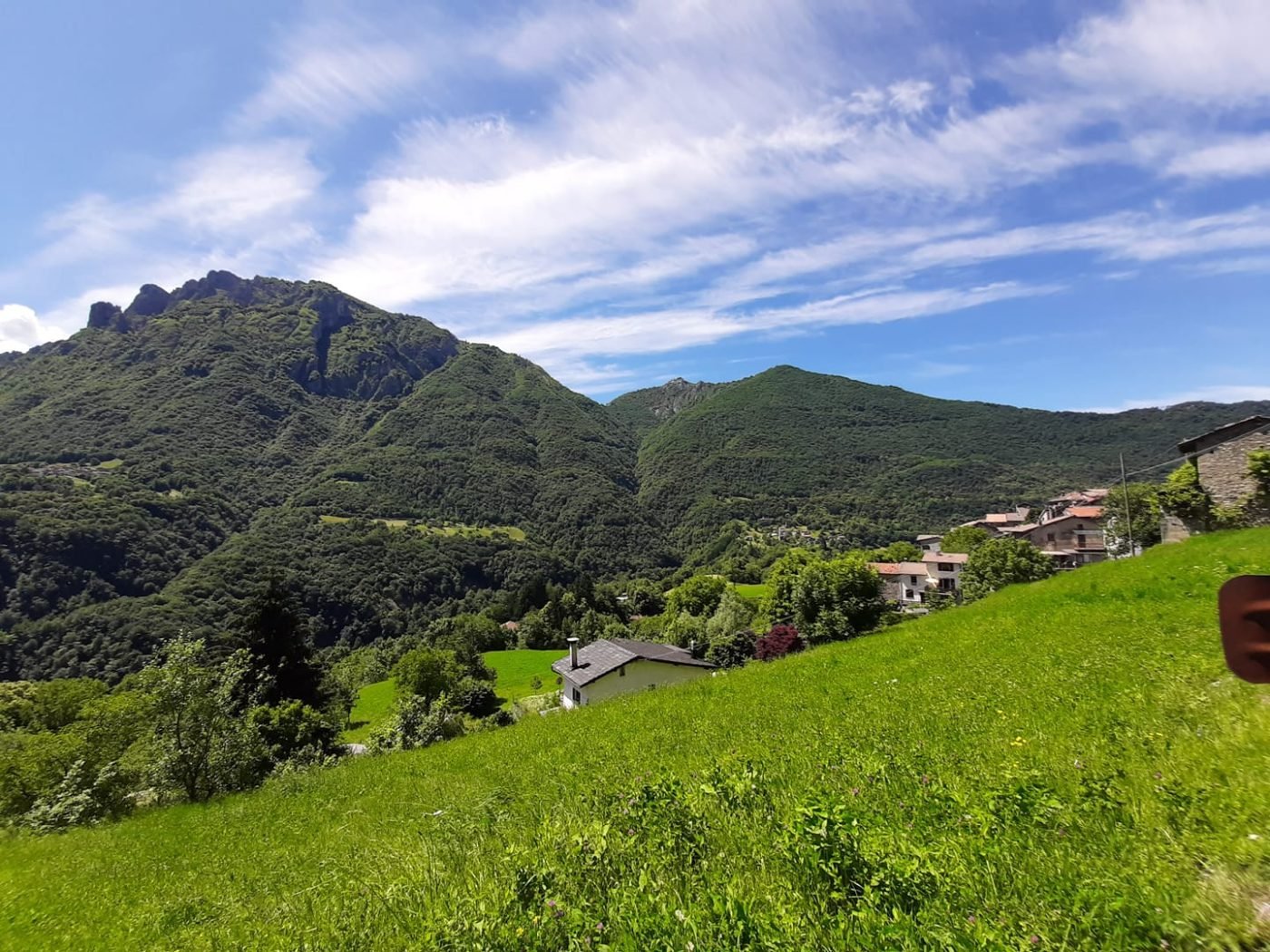
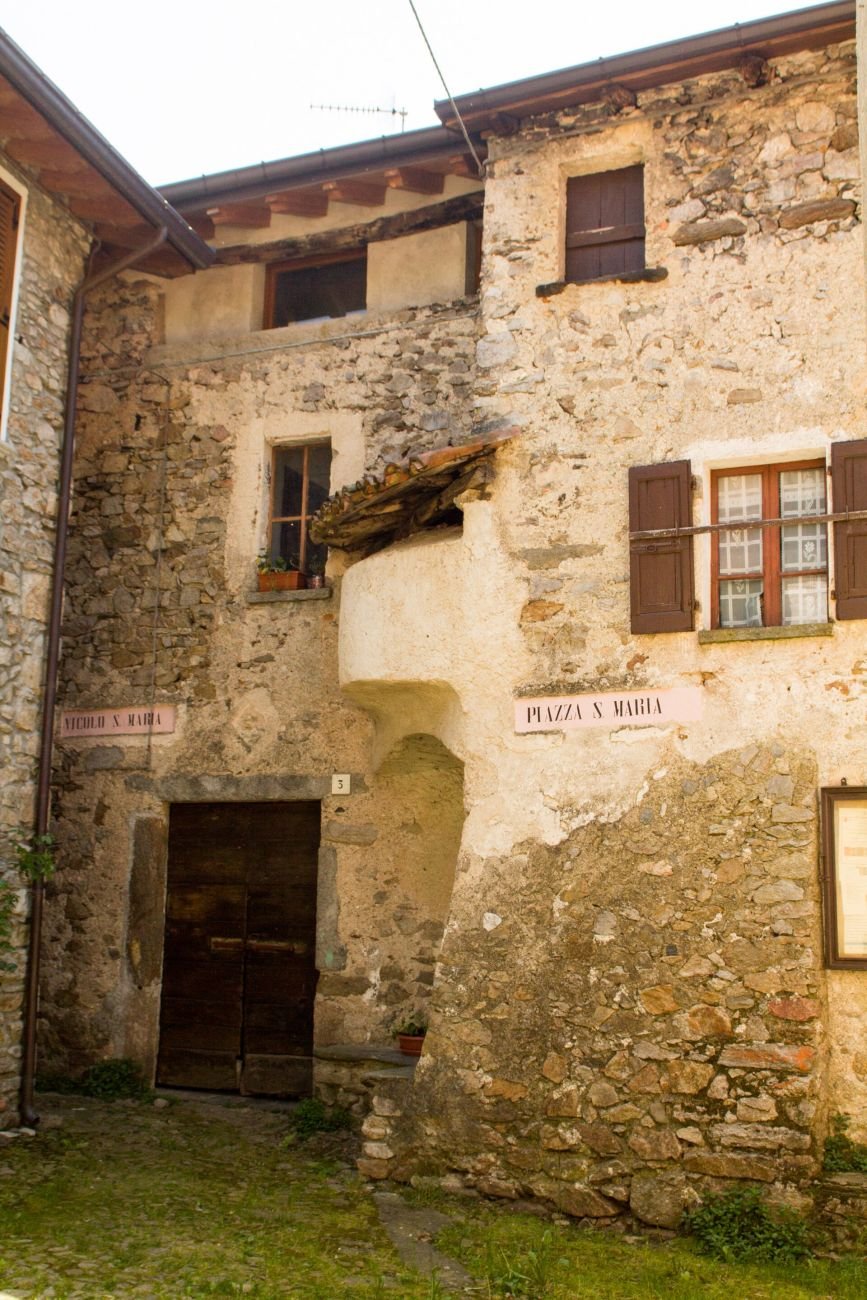
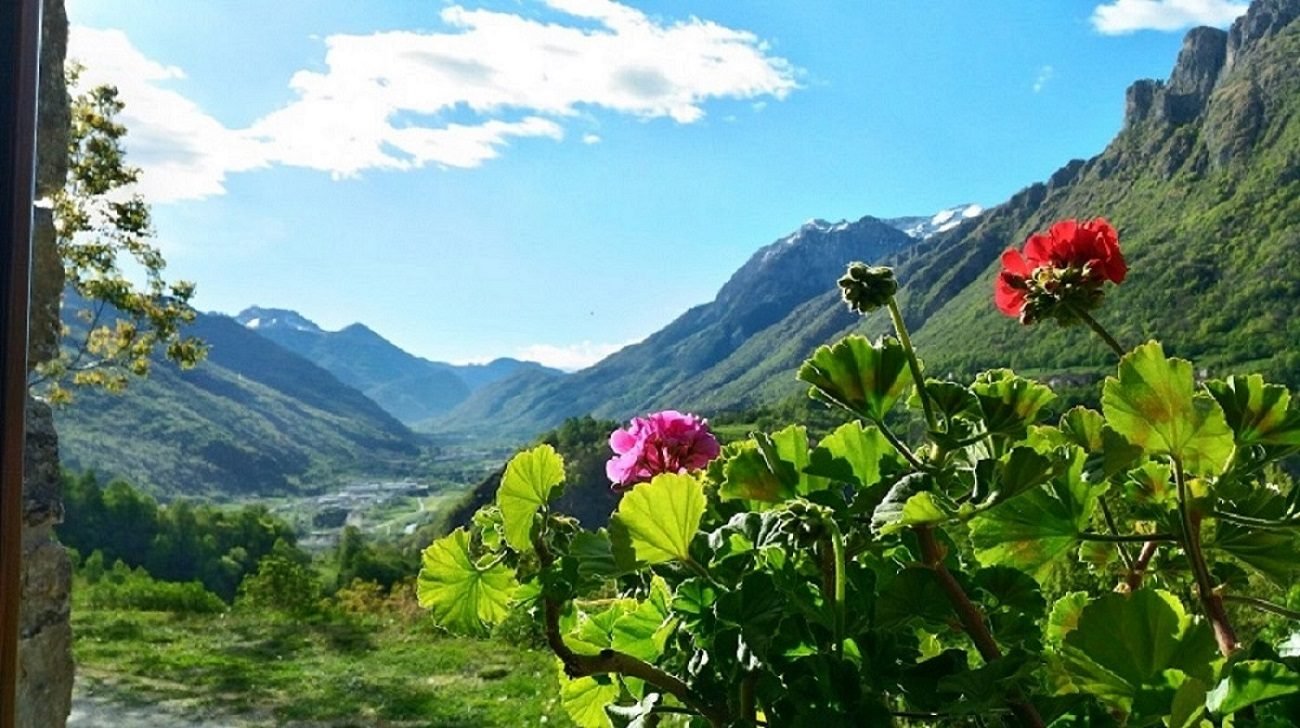
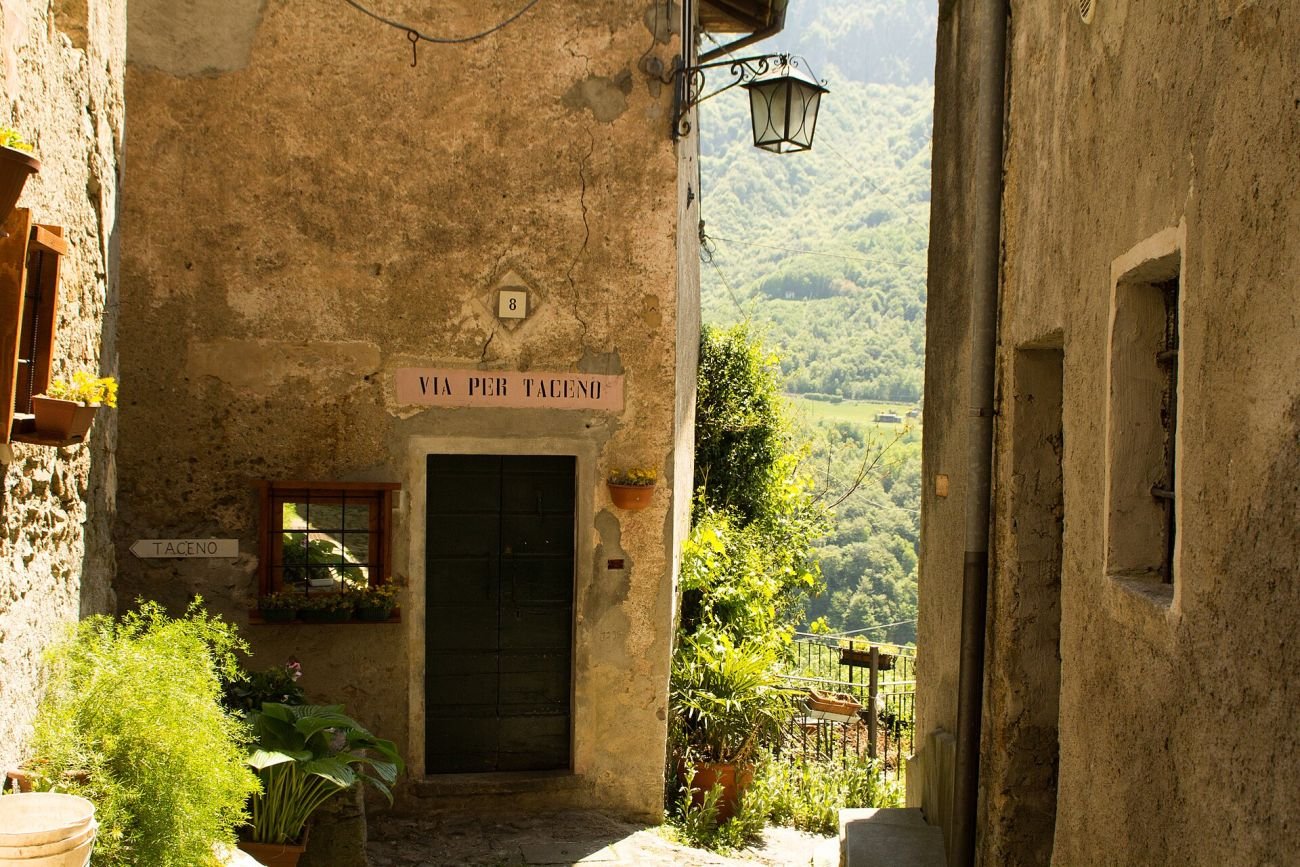
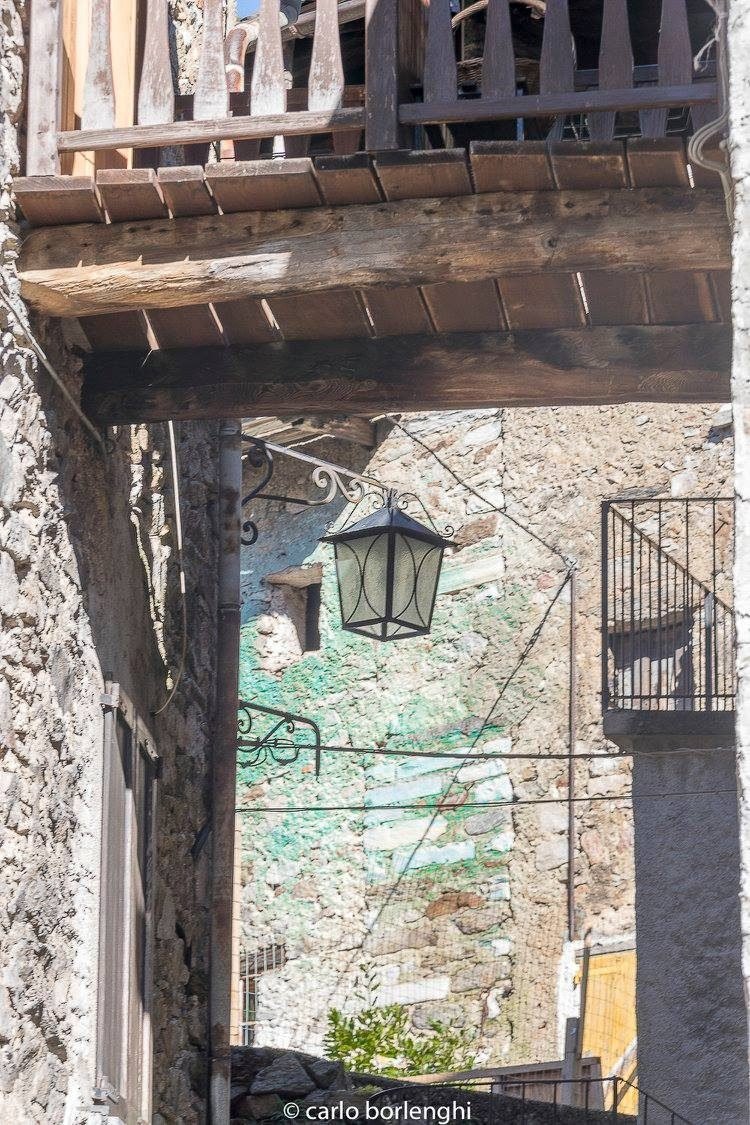
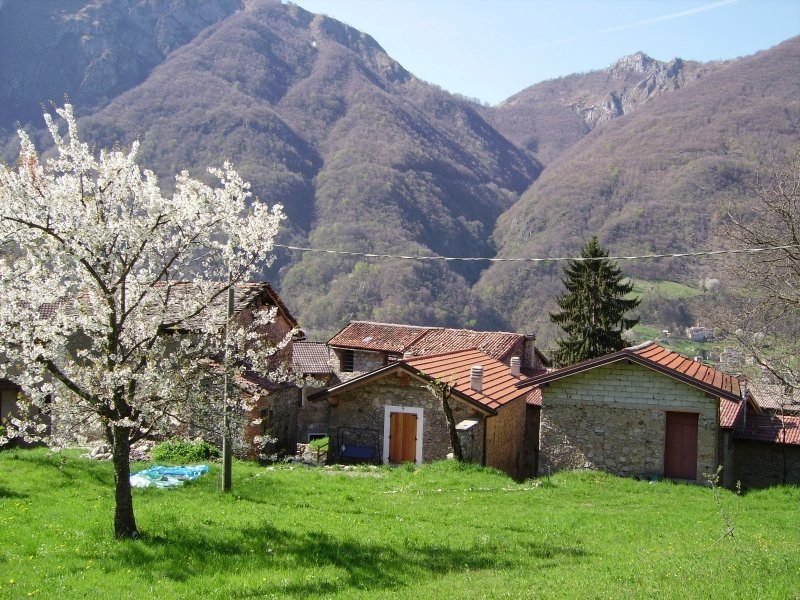
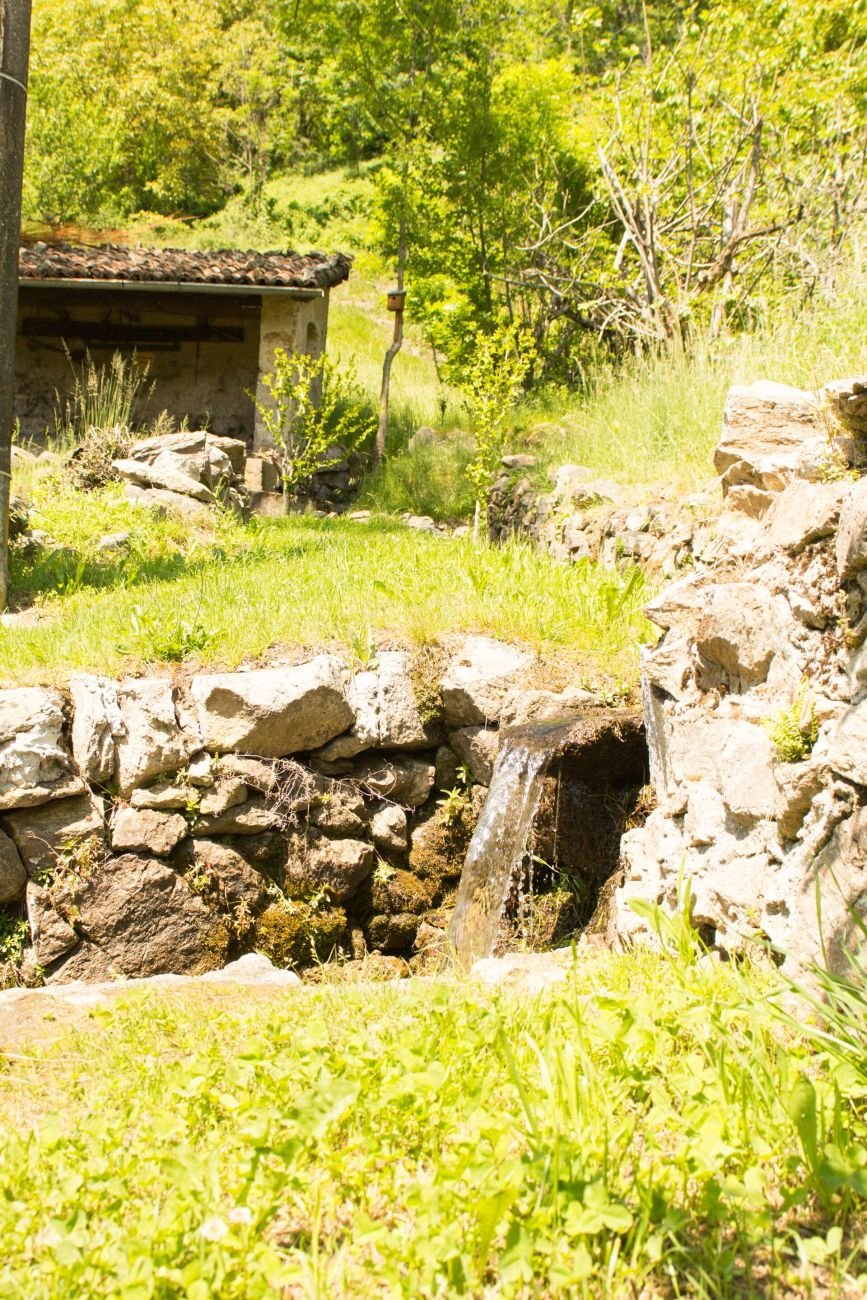
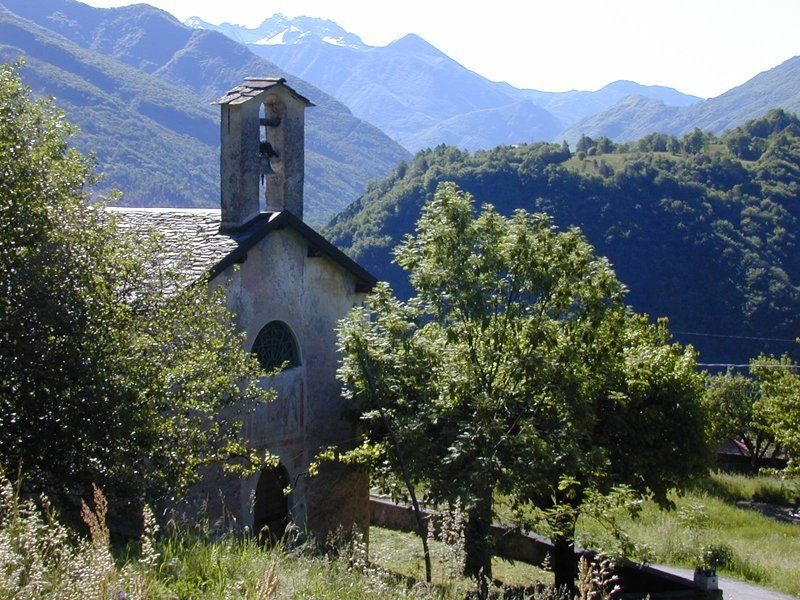
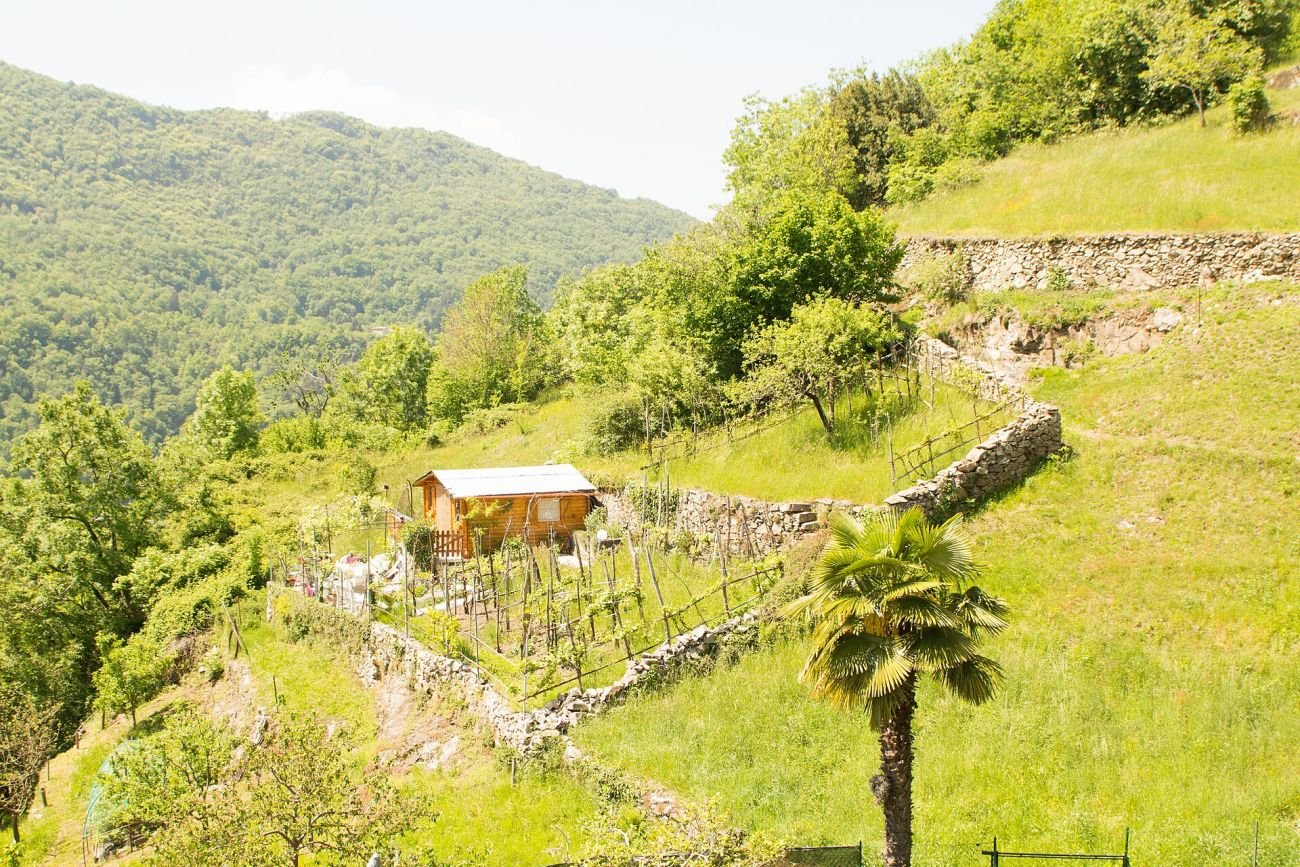
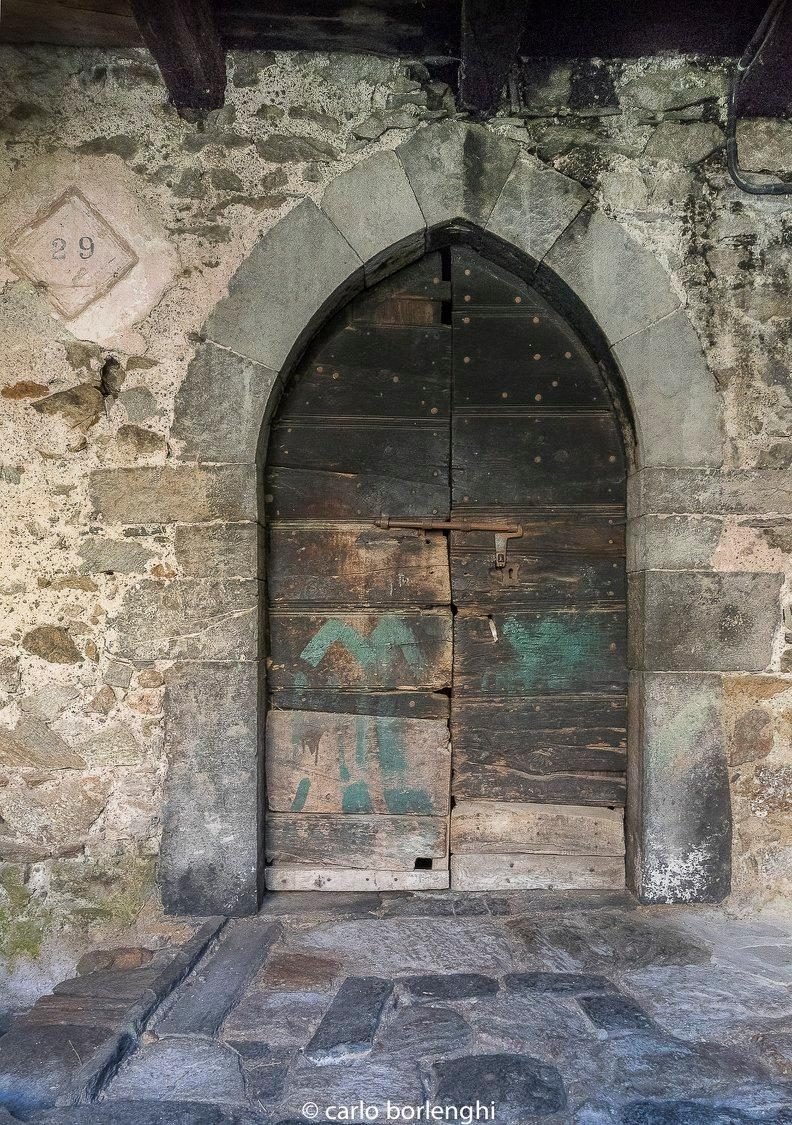
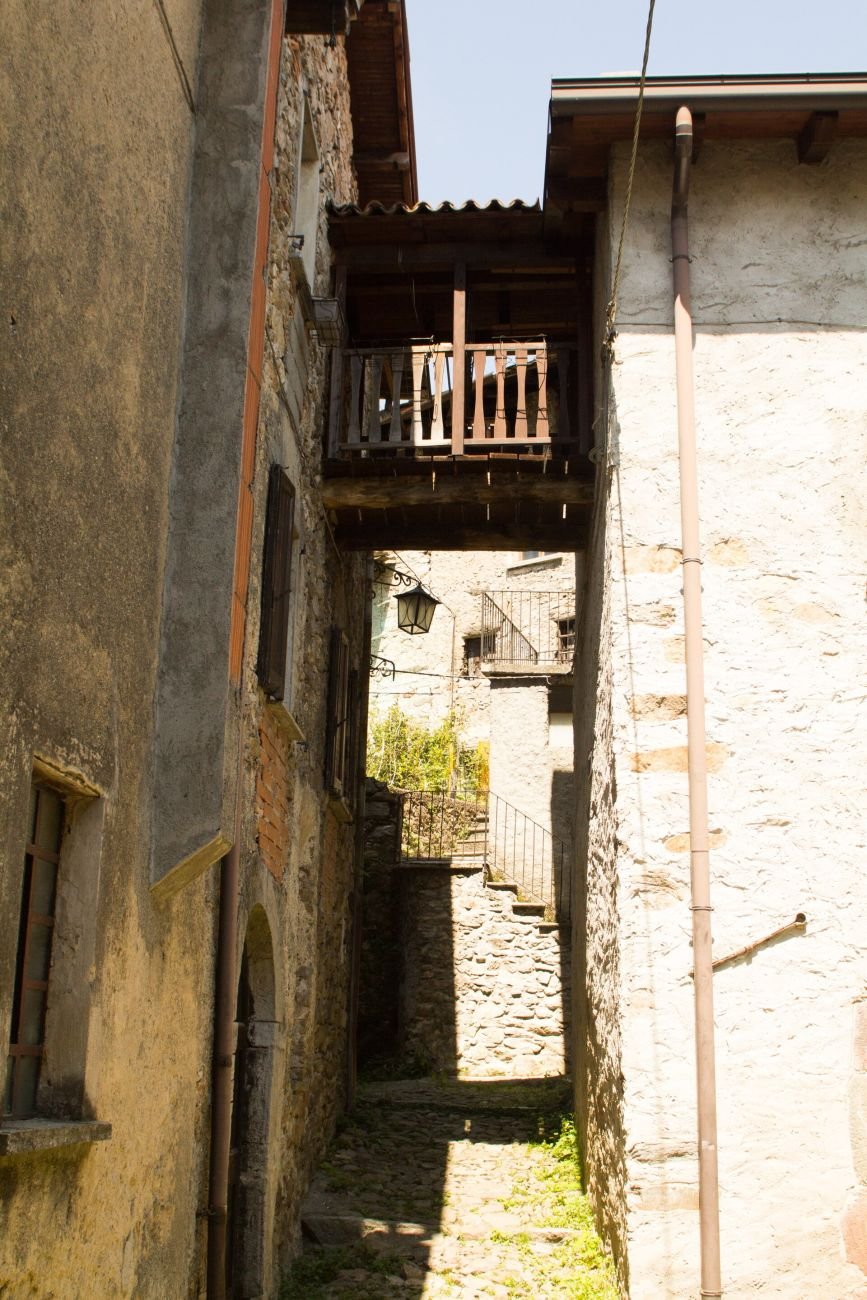
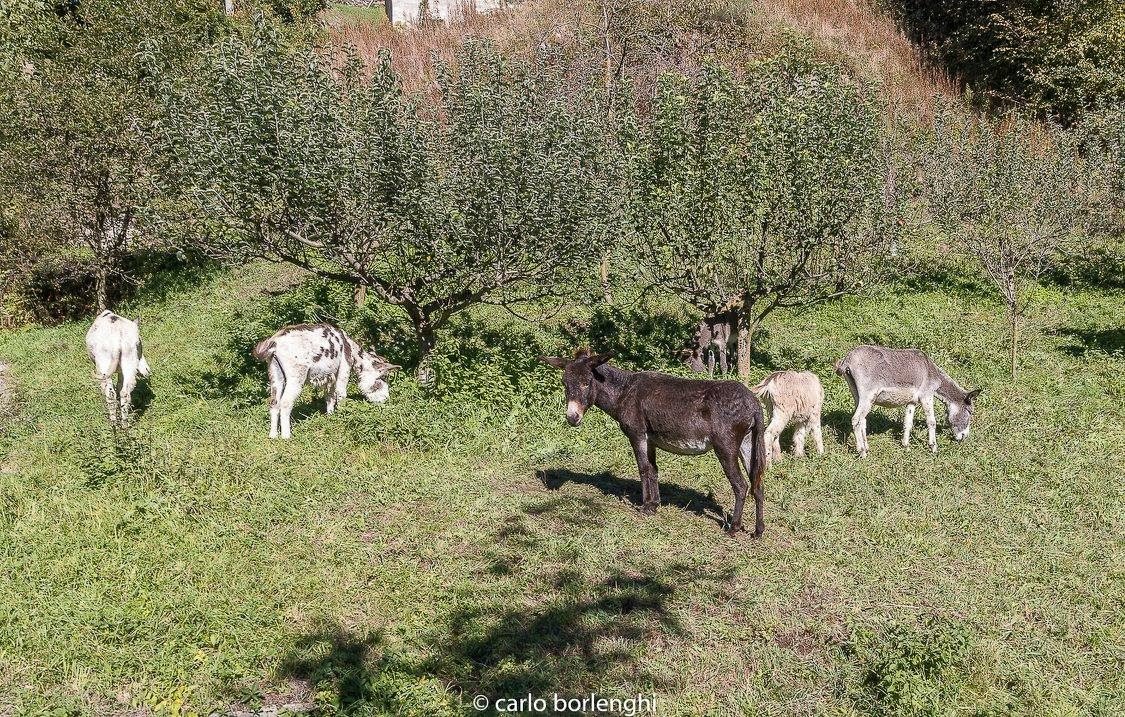
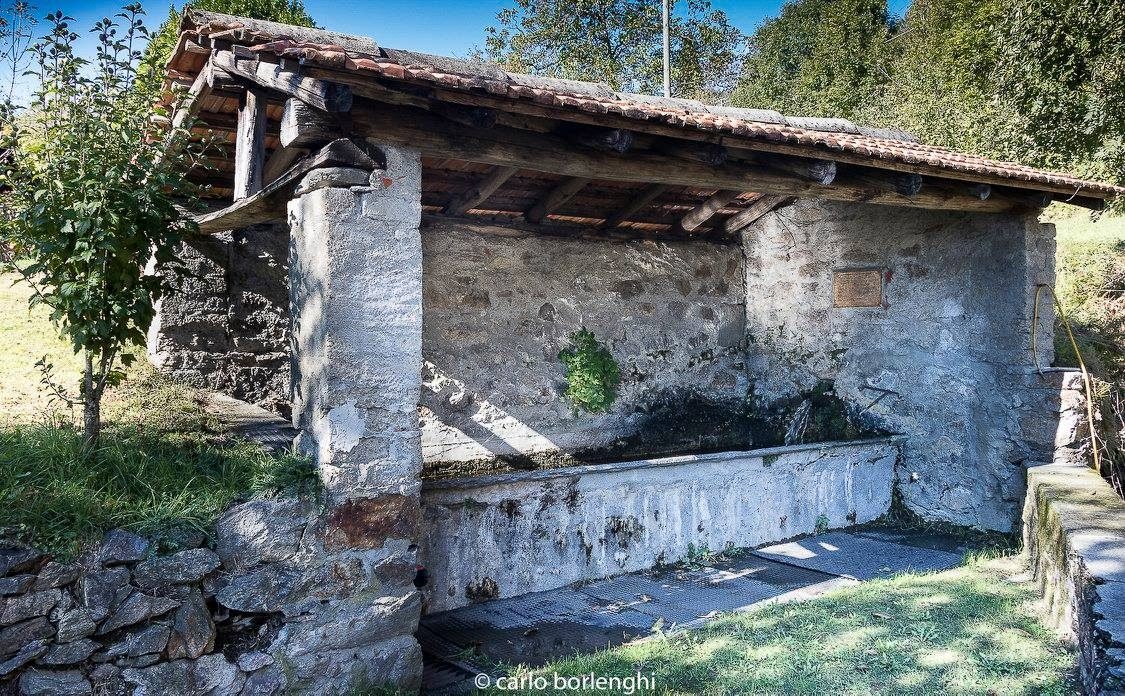
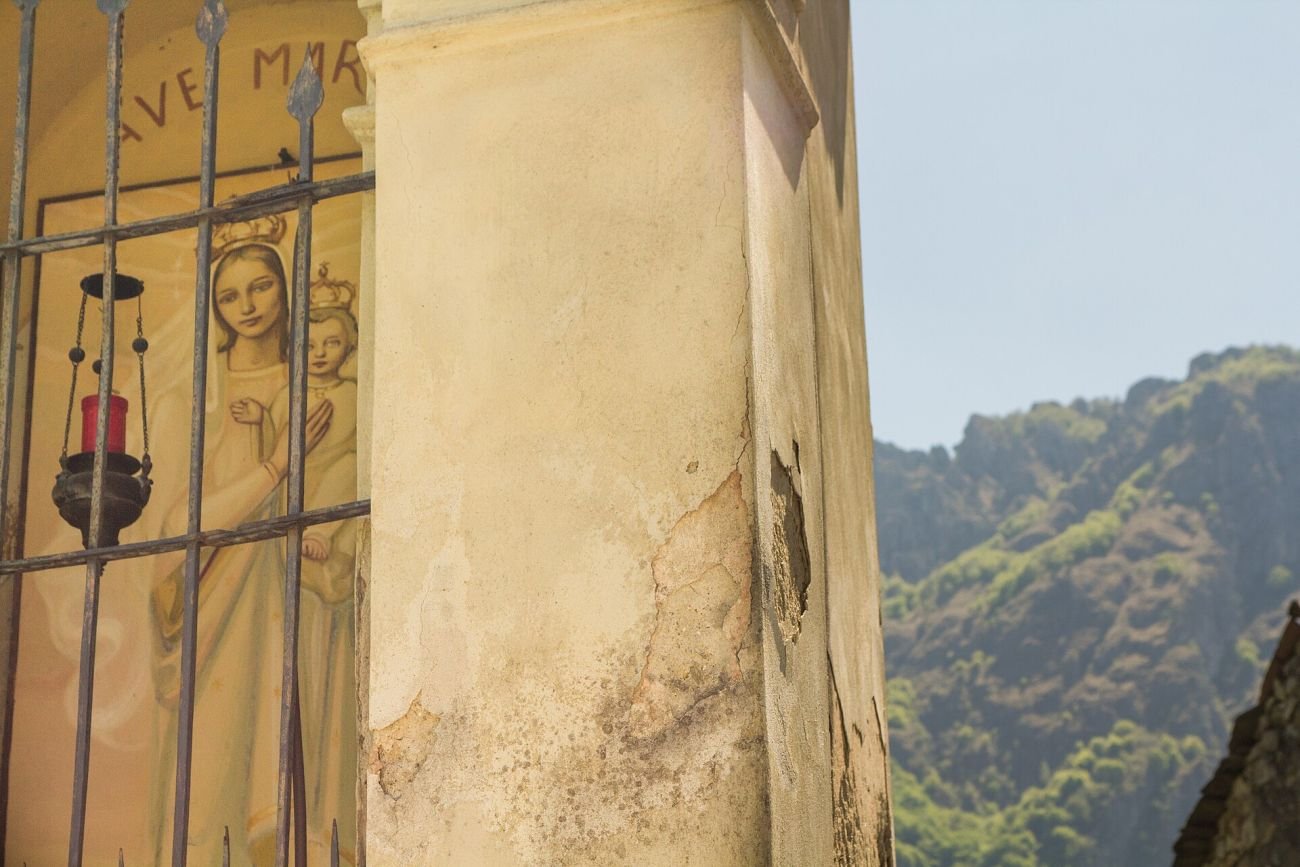
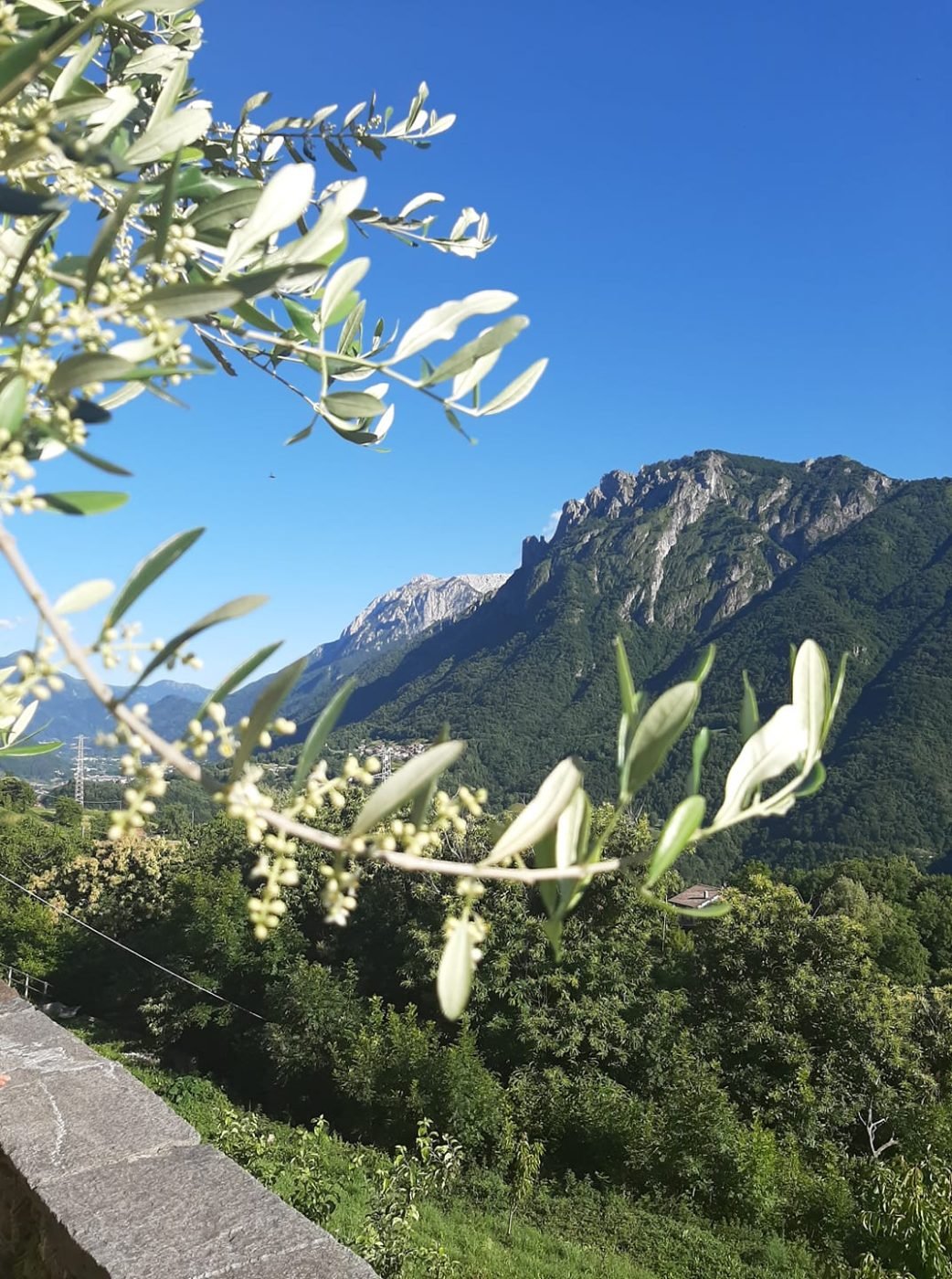
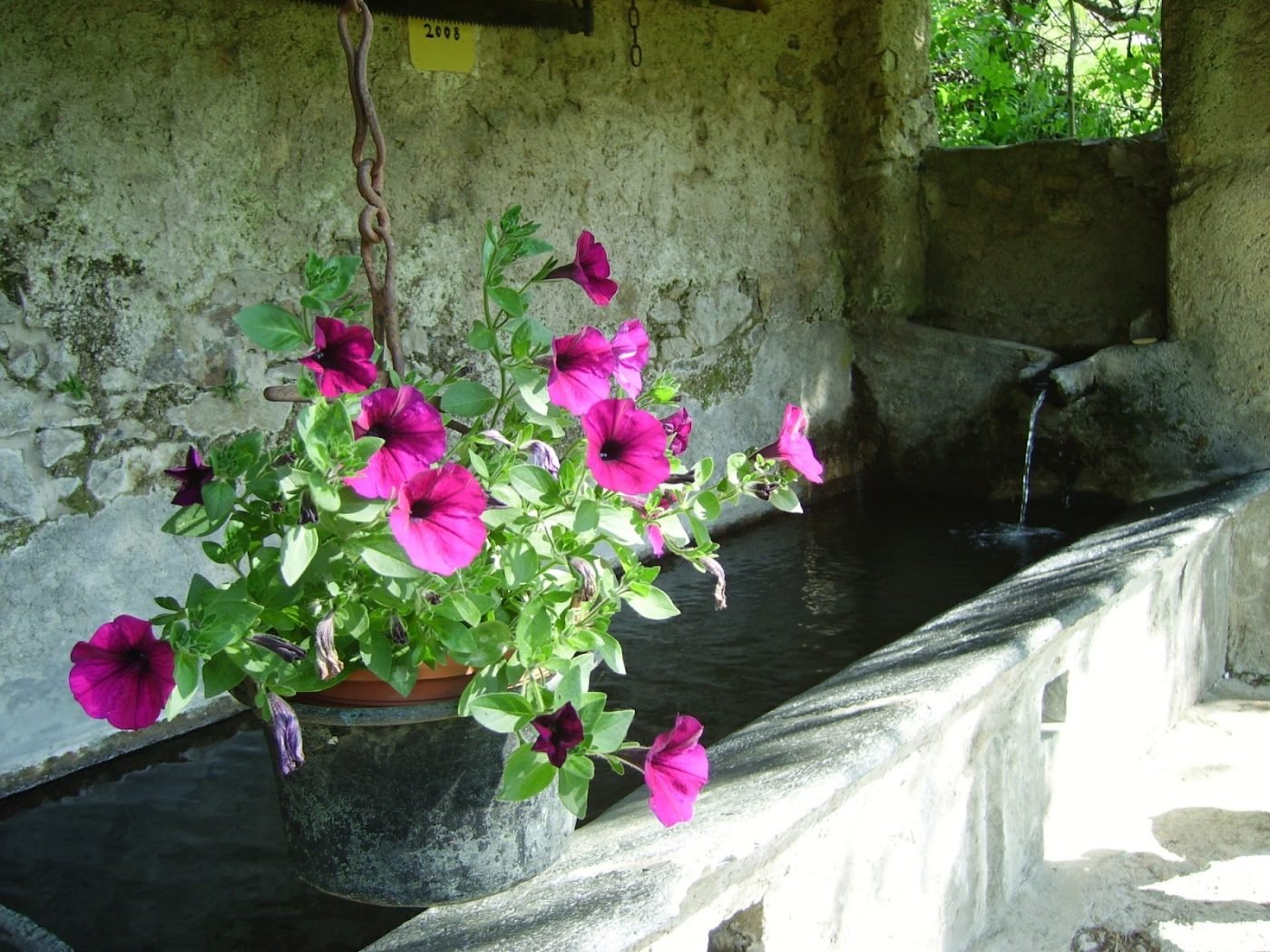
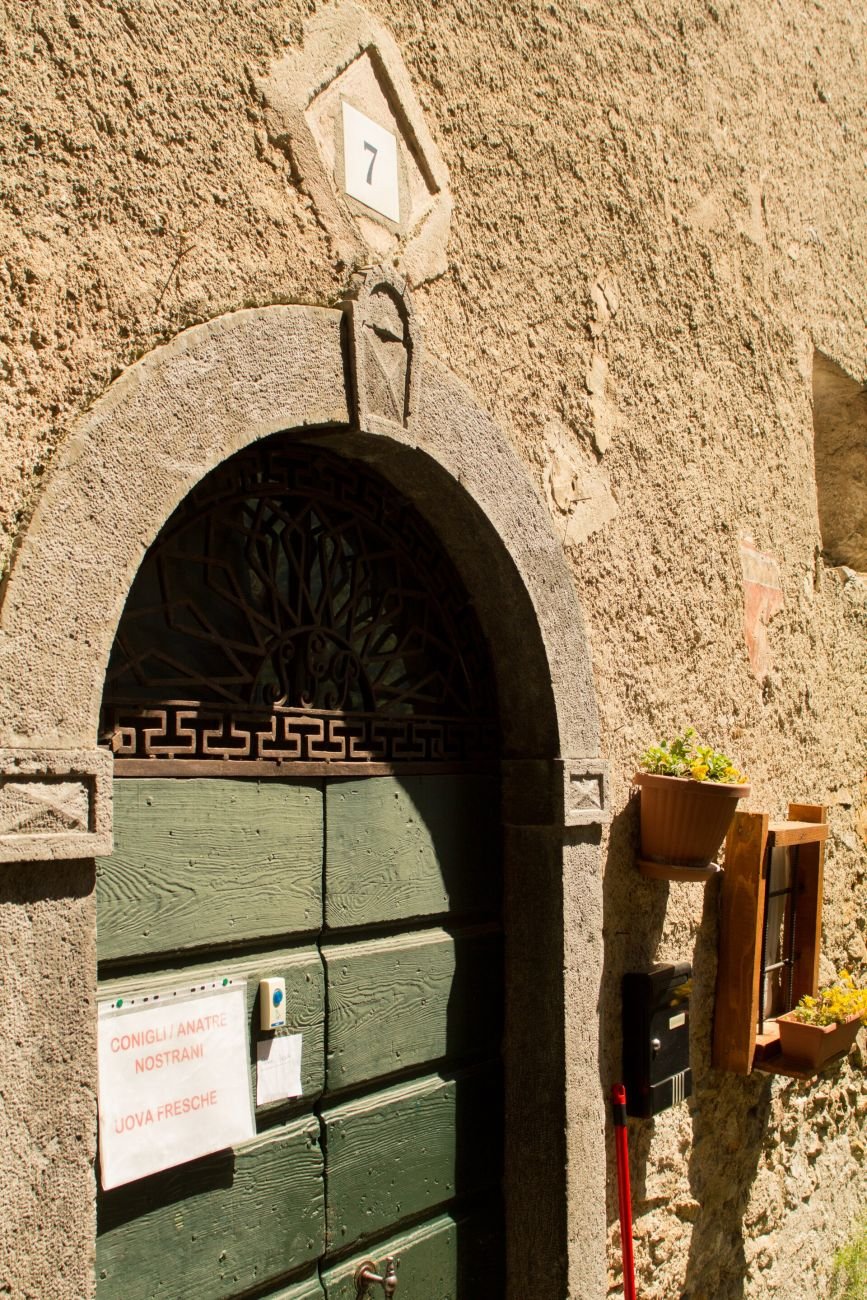
Photos by James Conrad Baker (some also on Wikimedia Commons, licence CC BY-SA 4.0) and the house archive.
Traditions and legends
The legend of a woman kept away from newborns, accused of casting the evil eye on a baby. The parents forced her to lift it: she traced a cross over the cradle by jumping from one side to the other.
Between fact and legend (in Italian) →The dialect, the nicknames and the figures everyone remembers, from the “Casel de la Gnocca” to the “Gesol del Luis”. Memories collected house by house by the villagers.
Some Comasira characters (in Italian) →Sweet fritters of eggs, milk and flour, with apples, raisins or chocolate; and in January the nusit with mulled wine for the feast of San Sebastiano.
The recipes (in Italian) →Events
Every year
The village celebrates its patron saint, San Sebastiano, with nusit and mulled wine. At Christmas the hamlet has also hosted a nativity scene.
Dates and programme of upcoming events: in the village Facebook group.


Stay in Comasira
A rustic two-storey house in the car-free hamlet, with period furniture and a small courtyard looking out on the mountains. You reach it on foot along a short cobbled path.
“We had a wonderful few days at James’s place in Comasira. The village was quiet, friendly, and with a great view of the Val Sassina and mountains.”
Erin · July 2026
“A rustic, genuine Italian country home with breathtaking views of the mountains.”
Anvars · September 2026
“Great location, totally worth visiting, exotically old place in very good shape.”
Lucian · July 2026
“At night you hear only the crickets chirping and a small stream babbling.”
Masha · September 2026 (translated)
“The village people are very friendly. We even got fresh eggs from an old lady.”
Hanna · April 2026 (translated)
“A village high up with a beautiful view. The place was peaceful and pleasant.”
Stanislas · August 2026 (translated)
Guest reviews on Airbnb; some have been translated from the original language.
Around
Comasira sits at about 600 metres above Bellano, on the eastern shore of Lake Como, where the Valsassina valley begins. The lake is 3 km away as the crow flies, yet the village stays off the busiest tourist routes: people come here by choice, not by chance.
Without a car: Bellano station is on the Lecco–Colico railway, and Navigazione Laghi boats leave the pier for Varenna, Menaggio, Bellagio, the upper lake and Como (few sailings in winter).
Straight-line distances from Comasira. Open in Google Maps · Timetables: Navigazione Laghi, Trenord
The community
The village's memory is kept by those who live here: the blog run by residents and the Facebook group “COMASIRA tra Leggende e Verità”, managed by Andrea Tarantino, where people share memories past and future, photos, events, legends and feelings about this Muggiasca village. Both are in Italian.
Much of what we know about Comasira comes from the blog “Comasira, il paese dove il sole sorge due volte”, built from research, interviews and documents gathered by residents: Sergio Dell'Orto, who created and curates it, Mariagrazia Vitali, Maria Teresa Cattaneo and Sandro Maggi. To learn more, read the original pages. Thanks also to Andrea Tarantino, who runs the village Facebook group.
Photos of the hamlet by James Conrad Baker, on Wikimedia Commons under CC BY-SA 4.0. House photos: from the Casina listing.
Have photos, memories or a correction? Share them in the village group.